Beyond the ordinary traffic lights and indicators, some signals come from other vehicles and from police. Most of them share a single message: something urgent is happening, so pull over, slow down, or do exactly as you're directed.
Emergency vehicles
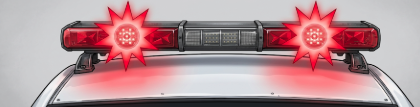
When an ambulance, fire engine or police car comes towards or behind you with its siren going and/or red, blue, or blue-and-red lights flashing, pull over and, if you need to, stop to let it pass. Clearing the way quickly matters more than getting it perfectly tidy.
If the police signal you to stop
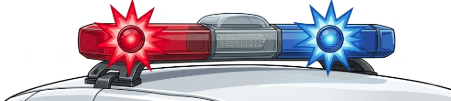
When a police car follows you with its siren and/or flashing blue or blue-and-red lights, pull over and stop as soon as you safely can. If an officer asks, you must give your name, address and date of birth, show your driver licence, and give the name of the vehicle's owner.
Other enforcement and medical lights
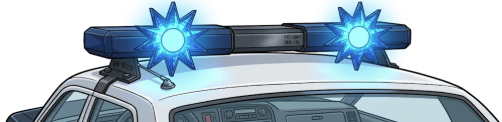
A vehicle behind you showing flashing blue lights may be a customs, fisheries or marine reserve officer who can lawfully stop you — pull over and stop. A roof-mounted flashing green light marks a doctor, nurse or midwife on urgent business; pull over and let them pass.
Flashing yellow — service and oversize vehicles
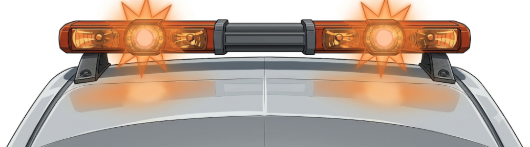
Flashing yellow lights mark a service vehicle such as a tow truck or road-maintenance truck: slow down, be ready to stop, and give it room. An oversize vehicle also shows flashing yellow, and its pilot vehicle shows flashing yellow and purple — you may need to pull over or stop to let it through.
Flashing red signals
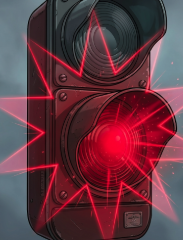
Where red signals flash outside a fire station or an airport, stop and stay stopped until the lights stop flashing.
Police directing traffic
An officer directing traffic outranks everything else on the road — their directions overrule the traffic signals, the road signs and the give way rules. Stop or go exactly where directed. At an intersection under police control, get into the correct lane and use your indicators to show where you want to go.