Signals are how you tell everyone else what you're about to do — turn, change lane, pull over, slow down. The two things the test cares about are giving the signal early enough and not blindly trusting anyone else's.
When and how long to signal
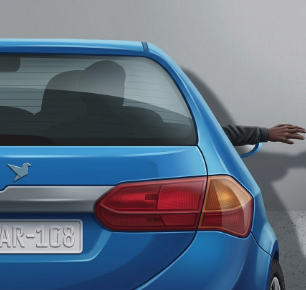
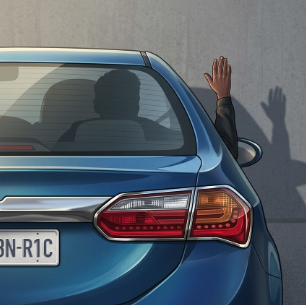
Signal before you turn left or right, change lanes, move towards the left or right, stop or slow, or pull out of a parking space — and give it for at least 3 seconds before you act, so others have time to react. Use your indicators, or hand signals if your indicators can't be seen.
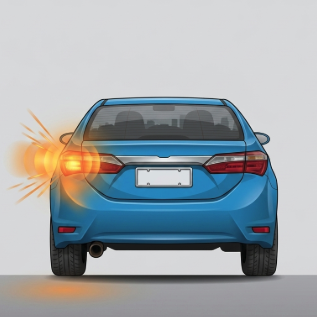
Which indicator
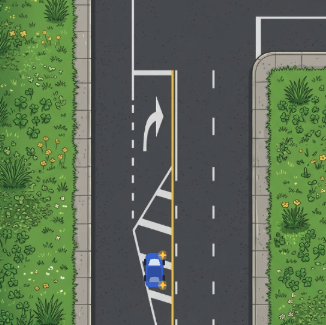
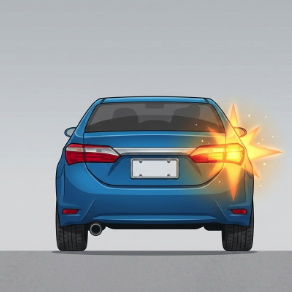
Use your left indicator when turning left or moving towards the left — for example, returning to the left lane after passing, or pulling back to the kerb. Use your right indicator when turning right or moving right, such as pulling out of a parking space. For reference, front indicators are yellow or white and rear ones yellow or red.
Don't rely on signals alone
Don't assume other drivers have seen yours, and don't act on someone else's signal by itself — check whether their vehicle is actually slowing and correctly positioned before you commit. A forgotten indicator left blinking has caused plenty of crashes.
Brake lights and hazard lights
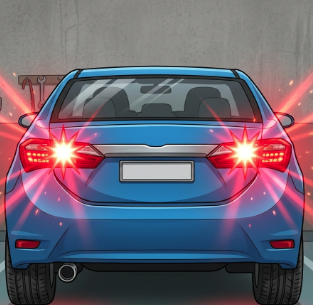
Your red brake lights come on automatically when you press the footbrake, warning those behind; keep your foot on the pedal to keep them lit, and tap it to flash a warning. Turn on your hazard lights — both indicators flashing together — when your vehicle becomes a temporary hazard, such as changing a tyre at the roadside or being towed after a breakdown.
Hand signals
If your indicators can't be seen, use your arm: straight out for a right turn; out with the elbow bent and hand pointing up to show you're stopping or slowing.