In New Zealand you drive on the left. It sounds obvious, but it underpins every other rule on the road — and drifting to the wrong side causes head-on crashes, the crash type most likely to kill or seriously injure. Here's what "keep left" means in each situation, and what legally counts as a road.
The basic rule
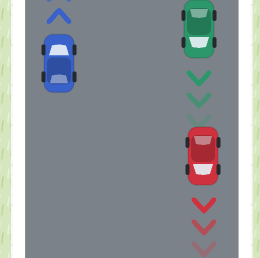
Always drive on the left-hand side of the road. On a road marked into lanes — by a white line, double white lines, or raised studs — keep your vehicle within your lane.
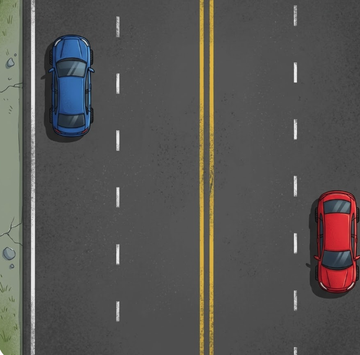
When there are two or more lanes your side
Stay in the left-hand lane as much as you can. Don't sit in the lane nearest the centre line if doing so holds up other vehicles. You may move into that centre-side lane when you want to pass, when you're getting ready to turn right, or when the left lane is full or blocked.
Unlaned roads and curves
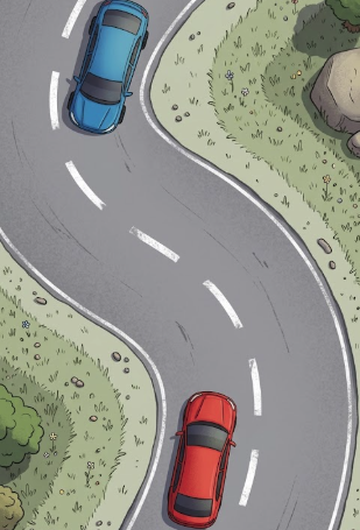
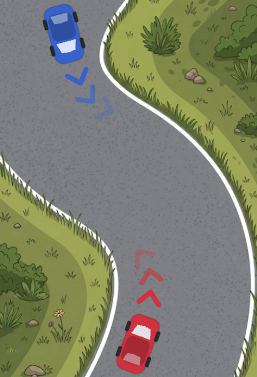
Where a road has no marked lines or studs, keep as close as you safely can to the left. Take special care on curves and bends: keep left and be ready to slow down, because you can't see what's around the corner — a cyclist, a horse, a pedestrian, an object on the road, or an oncoming vehicle that's drifted wide.
What counts as a "road"
The legal meaning of "road" is much broader than the sealed carriageway. It includes any place the public can get to — beaches, riverbeds and riverbanks, sports fields, car parks, reserve land, wharves, and the road shoulder. Wherever you're driving that counts as a road, the full rules still apply: a current warrant of fitness, a current driver licence, seatbelts on, and the road rules followed.