Emergencies are rare, but the right first move is often counter-intuitive — and there's no time to work it out on the spot. Here's what to do when the car does something you didn't ask for.
Skids
Skids usually come from heavy acceleration, heavy braking, sudden direction changes, or driving too fast on a wet or unsealed road. Locked wheels can't steer — they just carry straight on:
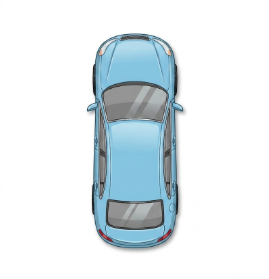
If you're braking hard and your vehicle has ABS, never pump the pedal — keep it pressed down hard and steer out of trouble. Without ABS, if all four wheels lock, pump the brakes gently so the wheels turn and grip again.
In a front-wheel skid (the car ploughs straight on instead of following the front wheels), don't brake — push in the clutch, lift off the accelerator, steer where the car is heading, and let the clutch out once you have control.
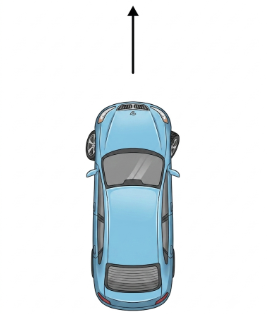
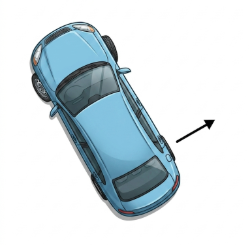
In a rear-wheel skid (the back swings out), again don't brake — push in the clutch, lift off, and steer in the direction the rear wheels are sliding, letting the clutch out as you recover.
Tyre blowout
A front blowout pulls to the blown side; a rear one sways side to side. Either way, grip the wheel tightly, ease off the accelerator, hold your path, and only signal and steer to the side once you've slowed. Prevent blowouts by checking tyres and pressures regularly and replacing any tyre with a large cut, bulge or heavy wear.
Engine, accelerator, windscreen and bonnet
If the engine cuts out, signal and steer to the side, shift to neutral to roll further, and turn on your hazards once stopped — steering goes heavy with power steering once the engine dies, so grip firmly. If the accelerator jams, don't switch the engine off; lift the pedal with your toes, stay in gear, brake firmly (the brakes still work), keep steering, and find a safe spot to pull off. If an older vehicle's windscreen shatters, steer by looking through the side window, pull over, knock the glass out with a tool or cloth-wrapped hand, and drive slowly to a repairer. If the bonnet flies up, look through the gap under the hinge or the side window, brake smoothly, and move to the left.
Fire, earthquake and water
If your vehicle is on fire, pull over, get everyone out and well clear, warn oncoming traffic and phone the fire service — don't try to put it out yourself. In an earthquake, pull over and stay inside until the shaking stops; afterwards, if power lines have fallen on the car stay put until help arrives, otherwise drive on carefully watching for slips and damage. If your vehicle ends up in water, get out while it's still afloat by winding down a window (doors won't open against the water); if already submerged, escape through the windows, or wait until it's nearly filled to head height so the doors open.
Brake and headlight failure, and avoiding a head-on
If the brakes fail, change down (automatics too), pump the pedal hard and fast, ease the handbrake on gradually, warn others with your lights, hazards and horn, and look for an escape route — a wide shoulder, flat field, or uphill slope. If both headlights fail, slow down, move off the road gradually and stop somewhere safe with hazards on. And if you're heading toward a head-on crash, brake hard, flash your lights and sound the horn, and look for an escape route to your left — never swerve right, because the other driver will most likely swerve to their left.