Even as a driver, the road rules for walking are worth knowing — you're a pedestrian every time you leave your car, and the test covers it. The theme is simple: make yourself visible, and only cross when you've made sure it's safe.
Where to walk
If there's a footpath, use it. Where there's no footpath, walk on the side facing oncoming traffic so you can see what's coming, keeping off the road or as close to the edge as possible; on corners, walk the outside edge of the curve. On a signed shared path — used by bikes, e-scooters and mobility scooters — be careful and considerate of others.
Driveways and walking at night
Take care crossing a driveway, especially where a building or fence hides you, because a driver coming out may not see you. At night, wear light-coloured or reflective clothing, or carry a torch.
Crossing the road
Cross only when it's safe: check all the nearby roads (and both behind and in front for turning vehicles at intersections), wait for a gap, then walk straight across quickly. A few situations catch people out — if you've just got off a bus, wait until it has moved away before checking for traffic; crossing between parked cars, edge out only as far as the headlight of the car nearest the traffic, then check and wait for a gap. At night or with young children, cross near a street light if you can, and have young children hold an older person's hand.
Pedestrian crossings and signals
If you're within 20 metres of a pedestrian crossing, footbridge, underpass or traffic signal, you must use it to cross. On a crossing, don't dawdle — and don't step out suddenly if a vehicle is too close to stop. Where there are pedestrian signals, obey them:

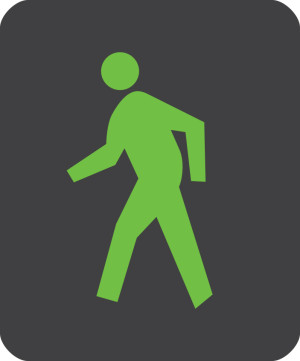

A steady red means don't cross; green means walk quickly across; a flashing red means don't start, but you may finish if you've already begun.
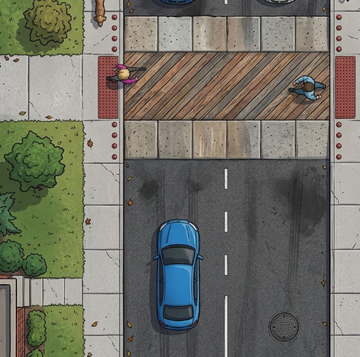
A courtesy crossing is not an official crossing — drivers may stop but don't have to, so use it with care.
Runners and young children
If you run on or beside the road, wear bright clothes and reflective bands, follow the pedestrian rules, and be very careful at intersections. Children aged five or under should be walked to school or preschool; teach children safe routes, and watch for them when you're reversing.